Thursday, December 31, 2020

Nature's Wisdom for the New Year

When one year ends and another begins, we are often inspired to do a little reflecting on past lessons and future plans. Here are three pieces of wisdom gleaned from the natural world. Best wishes for the New Year! 

Rest When You Need To

The world isn’t exactly a safe place for moving freely right now. Certain resources are in short supply. Many animals take these as cues to enter hibernation. Woodchucks are snoring softly underground. Wood frogs and spring peepers have become frogcicles in the leaf litter. Bears are resting in their dens. 

These are some of the most charismatic hibernators in Wisconsin, but not the most abundant. Virtually every single insect species is in some type of dormancy right now. As eggs, larvae, pupae, and adults they lace their bodies with sweet potions of antifreeze, find a sheltered spot, and hunker down. 

Plants also enter a period of winter quiescence. Trees, with their bare twigs, are the most visible. But hiding underground—not unlike the woodchucks and bears--roots and tubers filled with all the things needed for new life (except warmth, sunshine, and liquid water) lay resting, too, just waiting for a time when the world will once again be ready for growth. 

Mosses are one of the most impressive examples of dormancy in the woods. Even when drought (or freezing temperatures) withdraws the water they need for active life, mosses are preparing for the future. Essential functions shut down—but not without a plan for reopening. With amazing “forethought,” the mosses synthesize and store away the enzymes of cell repair that will manage the damage of desiccation. Like the Red Cross, mosses like to have a stash of medical supplies ready to go. All of this groundwork pays off. In just 20 minutes, bone-dry moss can return to full vigor.

What can we learn from moss about going dormant in times of stress while still having a plan for reopening? Photo by Emily Stone. 


Between the lack of a daily commute and the lack of skiable snow, I’ve been enjoying a little bit of extra rest this winter—while also using this time to plan and prepare for reopening. How are you finding rest? Or maybe you aren’t very good at resting. That’s ok, too. Many animals stay happily active through the winter.

Thrive in Your Home Territory

The days of safe and appropriate long-distance travel still feel a long way off, but there are many benefits to staking out a territory and learning it well. Animals know this. Snowshoe hares may spend their entire year in an area of just a few acres. Winter finds them using the same trails over and over again. When danger approaches, hares escape along these well-known and firmly packed routes. I, too, enjoy hiking the same nearby trail over and over and noticing what’s new. 

The robins in your backyard also benefits from local knowledge. When a Cooper’s hawk approaches, they know just which bush provides the best cover. When the neighborhood cat stalks by, presenting a known risk, the robin knows exactly how far away it must retreat to avoid sharp claws. Home territories help us all to avoid danger and make the best use of resources. 

Since I’m actually home during the day now, I’ve been getting to know my own “yard” much better. I see which birds come to empty out my feeders, and I’ve watched my foxy neighbor trot down the driveway, instead of only finding his tracks in the headlights of my car. In many ways, I’ve been able to find safety in my home territory. 

The red fox on my driveway doesn’t mind sticking close to home. Staying within his territory means finding safety and abundance. Trail camera photo by Emily Stone. 


It would be easy to create a list of things we can’t (or at least shouldn’t) do right now, but that’s not typically productive. Often, in ecology, we talk about “limiting factors.” Those are things like nitrogen, water, or other components of a habitat that are in short supply and therefore limit the number of individuals who can live in a certain place, or how big they can grow. But one of the main goals of adaptation is to avoid scarcity and competition. Instead, plants and animals diversify, and specialize in using resources that are abundant. 

The Voyageurs Wolf Project is a great source for examples of wolves adapting their behavior to abundance. The researchers’ well-placed trail cameras have captured wolves licking blueberries off bountiful plants in July and catching fish while they spawned in a small creek. A single wolf made lunch out of 36 beavers in that pond-filled landscape just this year.

Do you have evening grosbeaks at your feeders? I don’t, but many people do. These colorful birds—plus crossbills, finches, redpolls, and pine siskins—are famous for following abundance. These birds spend the winter wherever their favorite trees have produced the most seeds. 

I’ve been trying to adapt toward abundance this year. I love being able to cook lunch at home. With less time spent on in-person programming, I finally said yes to teaching a college class—virtually. It’s also been fun to tune in to numerous virtual lectures by folks who live clear across the country—or just an hour away. In normal times, neither I nor they would have time to travel to a place where I could hear them speak. This year, I can make dinner while an abundance of new ideas emanate from my laptop. 

Sometimes a change in our routines can bring us unexpected joy. One thing that will never change is the solace I find in nature. 

Happy New Year!


Emily’s award-winning second book, Natural Connections: Dreaming of an Elfin Skimmer, is now available to purchase at www.cablemuseum.org/books. Or order it from our friends at redberybooks.com to receive free shipping!

For more than 50 years, the Cable Natural History Museum has served to connect you to the Northwoods. The Museum is closed, but our Mysteries of the Night exhibit is available online. Connect with us on Facebook, Instagram, YouTube, and cablemuseum.org to keep track of our latest adventures in learning.

Thursday, December 24, 2020

Christmas Every Morning

My Christmas came early this year. A couple of weeks ago, my dad texted to say that my gift had shipped, and that I should open it right away. So at dusk on December 9th, I walked partway down my driveway and strapped my brand-new trail camera to a tree. A thin layer of snow had already recorded this spot as a busy crossroads for critters.

The next morning, I couldn’t wait to go and truly open my present. While my oatmeal cooled to eating temperature, I threw on a jacket and hurried out to retrieve the memory card. I fidgeted impatiently as my computer recognized the new card and opened up the folder. There were photos! A second glance was less exciting, though. They were all deer. Well, the trail cam worked—but I don’t need a trail cam in order to see deer. I replaced the card and let my excitement begin to rise for a second time. 


In the meantime, I went for a walk on the lake. Just a sugar dusting of snow on top of glare ice made walking a little tentative, but I was rewarded by the humorous tracks of a coyote slipping and sliding all over, too. I followed her tracks up the bank and into a little mosquito (and frog) breeding hole temporarily lacking its usual buzzes and peeps. In the middle of the tangled alders—frozen in place—was a large, hairy scat deposit. 


Even with four legs the ice was slippery as these coyote tracks show. Photos by Emily Stone. 


Coyote and fox tracks can overlap in size. My neighbor, who also happens to be a professional carnivore tracker for the DNR, told me to look at the heel pad. Coyotes have a big one, and foxes have a much smaller one, relative to the size of the toes. Using that character, I thought I was seeing tracks of both wild canids on my driveway, but just couldn’t be sure. (Canid = canine = members Canidae or the Dog Family.) The size of this scat sealed the deal. There was a coyote in my bog. Now, would the trail cam confirm that?


The next brisk morning walk down my driveway was refreshing. It felt good to get outside before sitting down to a day at the computer. This time when I slid the card into my laptop, up popped the ghostly blur of a wild canid. My eyes (and my Facebook friends) told me fox, but that just didn’t jive with the scat and tracks I’d seen most recently. Could both foxes and coyotes really be using my driveway so closely in time and space? 

After this washed out photo of the fox I changed my flash settings from "long" to "fast action." That has improved subsequent photos immensely. 


You may wonder why that’s even surprising to me. Well, since 2008, when I volunteered with the Yellowstone Wolf Project, and maybe even before that when I was TA for a Wolf Ecology field course, I’ve understood that there is a cascading relationship among wild canids. In the absence of wolves, coyotes harass and kill foxes. When wolves return, they harass and kill coyotes. With fewer coyotes, foxes can increase. By this model, I shouldn’t be finding tracks of both smaller canids in such a small area. I’ve seen wolf tracks nearby—just a mile into the National Forest—but not on my driveway.

What more could my trail cam reveal?

Well, for a couple of days, it revealed a fisher loping down my driveway in broad daylight. And then, jackpot! At 7:36 p.m., a coyote bounded across the driveway. Her boxy body, pointed snout and relatively short legs were clear. Three hours later, at 10:35 p.m. a red fox trotted past—stopped to sniff the coyote’s tracks—and continued on toward the house. The bushy tail seemed almost as big as his body.

A series of photos from a trail camera shows a coyote bounding across the driveway (two right-hand panels) and a fox trotting along 3 hours later to sniff the coyote’s tracks (left panel). Photo by Emily Stone’s trail camera. 


Now, challenged by this photographic evidence, I just had to understand their relationship better. Happily, researchers in Minnesota published a paper on the carnivore cascade in 2012, and Google Scholar pulled up a full PDF version available for free.

As it turns out, it’s not as black-and-white as the canids completely excluding each other. I suppose I should have known that. Even in Yellowstone, I watched both foxes and coyotes scavenge on the carcasses of wolf-killed elk. Each was just wary of their bigger cousin.

In Minnesota farmland, where there aren’t wolves, foxes declined when coyotes increased. In the forests of Northeastern Minnesota, though, where wolves are most abundant, coyote and fox numbers show no relationship, and fox numbers are correlated with their inadvertent protectors, the wolves. When wolf numbers increase, foxes do too. But coyotes are still present.

The data show that an abundance of wolves allows foxes to approach their carrying capacity—which is the number of animals that their habitat can support. Fox populations are controlled by how much food they have, not by how much they are bullied. That said, these relationships don’t show that any of the canids completely exclude each other from the landscape. They can still exist together, just with added stress.

I can’t wait for my trail cam to show me more about their relationship!

So today—my ninth Christmas morning in a row—I took another brisk walk in the gray light of dawn. After a couple of slow nights, my expectations were tempered. I sipped coffee while reading emails and waiting for the photo previews to pop up. A glance at the thumbnails made me grin. The camera had captured my handsome fox trotting proudly down the drive with a fat gray squirrel in his mouth. 


Here’s another cascade: I feed the chickadees. The fallen seed feeds the squirrels. The squirrels feed the fox. And—with my dad’s help—the fox feeds my curiosity. What a gift!


Emily’s award-winning second book, Natural Connections: Dreaming of an Elfin Skimmer, is now available to purchase at www.cablemuseum.org/books. Or order it from our friends at redberybooks.com to receive free shipping!

For more than 50 years, the Cable Natural History Museum has served to connect you to the Northwoods. The Museum is closed, but our Mysteries of the Night exhibit is available online. Connect with us on Facebook, Instagram, YouTube, and cablemuseum.org to keep track of our latest adventures in learning.


Thursday, December 17, 2020

Riddles and Webs

“Blueberries!” shouted a chorus of young voices, with each kid occupying one section of a grid on my computer screen. The ubiquitous Zoom calls everyone is talking about have infiltrated my teaching. Many of our local schools have switched to all-virtual classes this winter, and that means presenting our annual MuseumMobile “classroom” visits with everyone on a video call. 

So why were we talking about blueberries? 

Well, this year is all about adapting to the new order. Usually when I visit third graders in their classrooms, I bring a stack of plant and animal photos and clothespins. I clip an image to the back of each student’s shirt collar, and then they all play “20 Questions” with each other to try and figure out who is on their back. Campers and educators might know this game by the title “Who Am I?” I think it’s great fun, and the kids do, too. The activity consistently comes up when I ask older students what they remember from previous MuseumMobile visits. 

So, how could I re-create that fun on Zoom? To begin, I thought about the reasons we play it in the first place. 

One purpose of the game is to distribute a suite of plants and animals in preparation for the next part of the activity. The other purpose of the game is to get students thinking about the characteristics of native Wisconsin plants and animals in a fun way. 

Could animal riddles do that, too? I Googled around for inspiration, and found a couple examples with good rhythm. Then I got to work. This one’s my favorite: 

Like candy grown on bushes 
Blue, but darker than the sky 
Bears munch them to mushes 
Each year in July 
Who am I? 

When the students guess the answer during our Virtual MuseumMobile lesson, I write “blueberries” on a piece of paper in a designated circle-spot. At the top of the circle is Sun. We continue. 

Standing by the roadside 
My eyes glow green at night 
Heart-shaped hooves run and hide 
While my tail flashes white 
Who am I? 

This, of course, is a deer. A deer who just might eat some of those blueberries… 

With sharp teeth, sharp eyes, and good nose 
I hunt the woods where no one goes. 
My family helps and howls together. 
Then we sink our teeth into deer-hide leather. 
Who am I? 

“Wolf!” they shout. That deer had better watch out! 

My head is white, my tail is too. 
I soar above and inspire you. 
I dive for fish to fill my belly 
But even road kill’s not too smelly. 
Who am I? 

Soaring, catching fish, and eating roadkill. I thought this was a pretty complete description of a bald eagle’s behavior! And since eagles sometimes scavenge, they might even snack on the already-dead carcass of a wolf, or even just steal a bite of his venison. Do you see where this is going? 

After the students solve 12 riddles, we end up with a clock face full of plants and animals, plus Sun, soil, and water, which are important non-living components of ecosystems. In the classroom, we would sit in a circle and I’d get out a ball of string. For now, we just draw lines. The Sun provides energy to plants. Herbivores eat the plants. Carnivores eat the herbivores. Scavengers eat the dead stuff, and worms turn it all back into soil. 

We don’t stop at a single, simple food chain, though. As we brainstorm relationships, lines crisscross the circle. Wolves eat blueberries; did you know that? Finally, it looks like…and as I advance the slide in my presentation, the mess of lines is replaced by a drawing. “Spider web!” the students exclaim as they understand the metaphor. Many interacting food chains form a food web. 

It’s a pretty fun lesson—even when were stuck on the interweb. 


Emily’s award-winning second book, Natural Connections: Dreaming of an Elfin Skimmer, is now available to purchase at www.cablemuseum.org/books. Or order it from our friends at redberybooks.com to receive free shipping! 

For more than 50 years, the Cable Natural History Museum has served to connect you to the Northwoods. The Museum is closed, but our Mysteries of the Night exhibit is available online. Connect with us on Facebook, Instagram, YouTube, and cablemuseum.org to keep track of our latest adventures in learning. 


Thursday, December 10, 2020

Darkness and Light

The world feels pretty dark these days, don’t you think? Our daily routines—governed by clocks—are the backdrop against which we can measure the growing night. My alarm goes off at the same minute every morning, but last June its timing meant that’d I’d just missed sunrise. Today it took my entire yoga practice and half of my run before the sky was more than gray. In the evenings, I have to be quick to squeeze in a walk without my headlamp. 

Today, I didn’t make the deadline. 

So I bundled up with jacket and earmuffs, mittens and headlamp, and crunched on thin, dry snow down toward the lake. Halfway there, I doused my light to check on the sky. Although the forecast had been for clouds, stars glittered solemnly behind the twiggy lace of the forest. 

Have you ever noticed that when things are the darkest, we tend to focus on the points of light? 

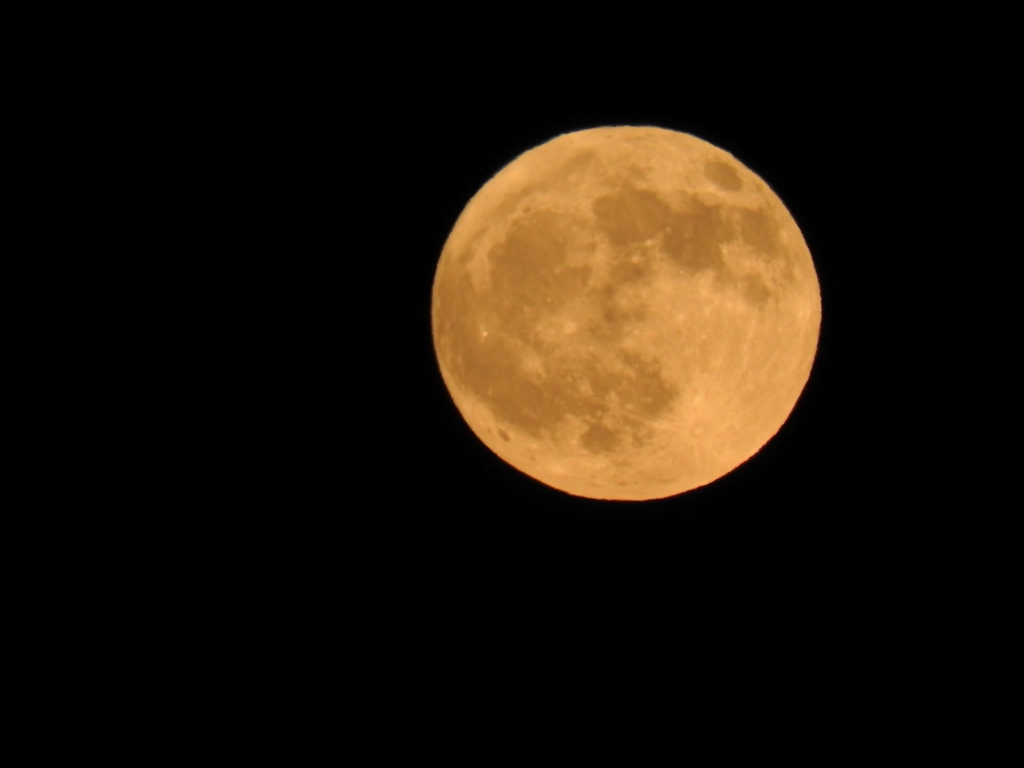
Last week it was the full moon that captured our attention. Soon the Geminid meteor shower will blaze through the sky. Just after sunset on December 20 and 21, Jupiter and Saturn will seem to align and almost merge into one bright beacon. If the Sun always shone, we would not notice the beauty of these lights. 


There is truth to the cliché that looking at stars makes us feel small; makes our tiny lives seem insignificant. The billions of years. The trillions of galaxies. The unimaginable miles. And one lonely blue planet. Sometimes it’s good to feel small, and to feel our problems shrink proportionately. 

But—on a good night—when I look at the stars I also feel immense. I am made of stardust after all. And so are you. I’ve mentioned this before. The warm iron coursing through our veins originated in the core of a dying star. Inhaling deeply, crisp, cold stardust made of carbon and oxygen fills my lungs. I may be small, but I am part of something big. 

It’s starlight that fills my belly. The energy of photons, blasted through space and captured by plants, imbues every molecule of sugar with a bit of solar power. Animals take that energy to build muscles and to use them. In my imagination, the Sun’s power shoots from my chest in theatrical rays. In reality, a chocolate chip cookie smolders in the fireplace of my metabolism. 

A 150 minute time-lapse of movement in the night sky. By Emily Stone


It feels good to think these Universe-sized thoughts after a day of living almost entirely through my computer screen. I’m grateful that we have a season when the mosquitoes don’t bite and the stars come out before my bedtime.Without these long nights of winter, I’d almost never see the stars. I’d miss out on the beauty and the mystery. 

As I turn back toward the house, the glittering becomes rainbow-colored. It’s my Charlie Brown Christmas tree—a spindly fir that was crowding my portage to the lake—and the lights I plugged in just before heading outside. Even on a cloudy night, constellations of Christmas lights shine through the gloom. 

Yes, in times of darkness, we tend to focus on the points of light. And perhaps the Christmas lights are a good reminder that, in times of darkness, we don’t have to wait for the stars to come out or the moon to rise. We can string up the lights and plug them in, and our neighborhood will be a little more cheerful because of our efforts. 

Just before I plugged in my tree, for example, I received an email from a friend about the long lines at special food drop, and the people who were turned away when the food ran out. Talk about darkness. It only took a minute to find the donation button on the website for my local food shelf, so there’s a pinpoint of light. 

Last night, inspired by a woman on the corner with a cardboard sign, my niece and nephews put together “blessing bags” of warm socks and granola bars that they’ll keep handy in the car as they drive around their city. There’s some starlight in those. 

Helpful items ready to be compiled into Blessing Bags. Photo by S. Stone.


We still have a few more weeks while the Earth tilts away; a few more weeks until winter solstice when the days will slowly begin to brighten. For now, I’m going to make a point to enjoy those stars, and the moon, and meteors that the darkness has revealed. And maybe I’ll take my stardust blood and my starlight energy and see if I can add a few more to those pinpoints of light. 


Donations to the Ashland, Cable, Cornucopia, and Mellen food shelves can be made at: http://thebrickministries.com/, or find a statewide database of food banks here: https://www.feedingwi.org/


Emily’s award-winning second book, Natural Connections: Dreaming of an Elfin Skimmer, is now available to purchase at www.cablemuseum.org/books. Or order it from our friends at redberybooks.com to receive free shipping! 

For more than 50 years, the Cable Natural History Museum has served to connect you to the Northwoods. The Museum is closed, but our Mysteries of the Night exhibit is available online. Connect with us on Facebook, Instagram, YouTube, and cablemuseum.org to keep track of our latest adventures in learning.

Thursday, December 3, 2020

Mergansers on Migration

In gray afternoon light, with clouds hanging low and damp, and snow clinging to the lace of barren trees, little specks of slush began to splat on my windshield. I turned on the wipers at the same time I glanced at the car’s thermometer: 33 degrees. The road still looked wet, and I was glad that I’d timed my trip to arrive home before sunset. 

Then a partially frozen lake loomed out of the gray, and I did a double take as dark shapes emerged from the gloom. A raft of waterfowl floated in the mist. The stark contrast of black-and-white on their feathers made my heart leap with the barely formed thought of “loon!” 


It’s been less than a month since I spotted my final loon on Lake Namakagon–a brown-and-white juvenile gaining a little more strength before flying to the west coast of Florida–so how could I miss those Northwoods icons so much already? My hope was fleeting, though. The only recently spotted loons in this area have been a solo Pacific loon, a single red-throated loon, and a few common loons, all up on Lake Superior. 

Curiosity brewing, I found a driveway where I could safely turn around, got my camera out of the back seat, turned the radio down, and started the hazard lights blinking. Through the sleet, and through my zoom, I could see black heads and white bodies with black backs. Definitely not loons. 

Adult male common mergansers wear striking black-and-white feathers, while adult females and immature birds of both sexes have gray bodies with rusty brown heads. They are some of the last waterfowl to migrate through here from their breeding grounds in Canada. Photo by Emily Stone.


On my computer screen, the waterfowl gave up their mystery easily. Among the highly visible birds with striking contrast, gray individuals with brownish heads materialized in the fog. All of their beaks swooped out in a concave curve that tapered to straight, pointed tips and showed just a hint of reddish orange in the low light. Have you figured it out yet? They were common mergansers. 

Common, yes, but also fascinating. Like so many birds, the breeding habitat of common mergansers extends across the lush summer of Canada and Alaska, and only just barely dips into Northern Minnesota and Wisconsin. Even though we’re on their southern edge, they are easily spotted and fun to watch. 

Most paddling trips in our region—whether on lakes or rivers—seem to turn up at least one family of mergansers. And by family I mean either a male-female pair before she’s laid eggs, or a mom and her dozen or more chicks after the father is long gone. Male mergansers typically abandon the crew during incubation. Maybe they can’t take the stress of what happens when the chicks fledge: only a day or so after hatching high up in a tree cavity, the still-flightless chicks just flail their stubby, down-covered wings and jump for it. 

Mother merganser ushers them all to the nearest lake, and the chicks immediately dive in and start fishing for breakfast. In contrast, a dedicated pair of loon parents provides every single morsel of food to their chicks for the first few weeks, and patiently teaches their babes to hunt after that. Because of these time-consuming investments, loons rarely have more than two chicks. 

Merganser chicks are much more self-reliant. The female provides protection and guidance, but because she doesn’t also have to provide calories, her brood can contain as many as 17 chicks. One photographer on Lake Bemidji in 2018 captured a photo of 76 merganser chicks with a single adult female. This wasn’t just one family, though, it was a group called a “crèche (if you say it, make it rhyme with the word mesh), basically a daycare for ducks from many broods who are dropped off into the care of an experienced matriarch. 

This flock of immature common mergansers is still hunting cooperatively in late August, even though they’ve been able to catch their own food since they fledged the previous spring. Photo by Emily Stone. 


In such a group, mergansers often dive in sync, and send the water roiling with their hunting. I’ve spent many a Boundary Waters afternoon giggling as they pop back to the surface like adorable bobbers. Aquatic insects are enough of a mouthful for the first two weeks of life, and then the chicks switch to catching fish, too. Besides strong swimming muscles and webbed feet, mergansers rely on a serrated beak to help them catch slippery fish. This adaptation has earned them the nickname “sawbill.”

As you might guess from the timing of my sighting, mergansers are one of the last waterfowl to migrate in the fall. Other ducks who are still here—in hot ponds, flowages, or other unique, continuously ice-free waterways—will probably stick it out for most of the winter. Ryan Brady, a bird biologist for the Wisconsin DNR, told me that “Usually the big rafts of them, especially when including a bunch of males, indicate the end of migration is near.”

Even though the mergansers and I share a love of Northwoods lakes and rivers, I can’t help thinking of two important differences between us. First, I’m jealous that they get to travel together in a large group. Second, they’re headed to warmer climes, and I’m fervently wishing that the lakes will soon be solid playgrounds, and the slush I keep seeing on my windshield will turn into many inches of fluffy, skiable snow. 


Emily’s award-winning second book, Natural Connections: Dreaming of an Elfin Skimmer, is now available to purchase at www.cablemuseum.org/books. Or order it from our friends at redberybooks.com to receive free shipping!

For more than 50 years, the Cable Natural History Museum has served to connect you to the Northwoods. The Museum is closed, but our Mysteries of the Night exhibit is available online. Connect with us on Facebook, Instagram, YouTube, and cablemuseum.org to keep track of our latest adventures in learning.


Thursday, November 26, 2020

Nature’s Guide to Getting Outside in Winter

Steely cold seeped through my gloved fingers as they gripped the lock on my front door. The chill of winter had found an easy path through this dense metal, and gave me a frosty preview of what waited outside. Pulling my hand back, I zipped my jacket higher, pulled my hat lower, and looked at the thermometer: 14 degrees. With a burst of resolve, I flipped the lock and braced for impact.

The frosty air I had so dreaded was bracing and fresh on my face, and pale, rising sunshine painted an ever-changing water color behind the lace of trees. With a deep breath, I relaxed, and had myself a very enjoyable hike. I love winter, but it still takes some willpower to leave the warm cocoon of my house. 


Animals, including humans, have three basic options for dealing with winter: migrate, hibernate, or stay active. That third one can feel daunting, but getting outside and getting your heart rate up is also incredibly valuable for our mental and physical health. Maybe we can gain some inspiration with a little help from our wild friends. What do they have to teach us about staying active in winter?

The key to my winter happiness—whether indoors or out—is having warm feet. I achieve this through wool-blend socks and insulated boots; but rough-legged hawks, who breed in the Arctic and who fly “south” to Wisconsin for the winter, simply grow feathers all the way down their legs and along their toes. In comparison to the bare, scaly talons of other hawks, their legs look “rough.” Golden eagles share this adaptation, as do snowy owls, great gray owls, and northern hawk owls. I’d be jealous, but then I also have down booties keeping my tootsies warm right now. 

Birds don’t have a monopoly on warm feet. Thick fur covers the foot pads of red foxes. This makes their tracks look fuzzy. Coyotes have less foot-hair, and so the tracks they make are more precise. That’s one characteristic I use to try to figure out who’s been walking up and down my driveway at night. 

Of course, just having warm feet isn’t enough when the sidewalks and trails are covered in a perilous patina. Then we need traction, too. Earlier this fall, I watched a forlorn duck traversing thin ice in order to reach open water. Each foot slid as it landed on the water-glazed surface, and slipped again as it tried to push off. This continued until the ice broke and the duck plopped into a belly-sized hole. Webbed feet have their advantages, and disadvantages, too. Luckily, most ducks migrate to regions where the water stays in liquid form. 


On the other hand, ruffed grouse thrive in the land of ice and snow. The secret? They produce their own combo of snowshoes and Yaktrax traction cleats. Every fall, the scales on a grouse’s feet expand out to the sides, until they have a comb-like fringe decorating all their toes. These pectinations—from the Latin word for comb—distribute the grouse’s weight onto a bigger surface area to help them walk on top of the snow. The projections also help grouse get a good grip on the ice-encased twigs of aspen trees while they nibble on the tender flower buds—their most important winter food.

Ruffed grouse grow their own combination snowshoes and grippers each winter (left), in the form of a comb-like fringe along the sides of their toes. Photo by Emily Stone. 


As long as my feet are warm and I’m not falling over, my next goal in winter is to make sure that I don’t get too hot. Yep, you read that right. I find it pretty easy to stay warm in the winter—just layer up with all of those cozy, puffy layers, and get moving. But as soon as I’m moving, my metabolism kicks up and I become a furnace. If I’m not careful, my base layers become damp with sweat. The liquid interferes with the insulating properties of fabric, and also initiates evaporative cooling. This is an unfortunate part of being human. Hardly any other animals sweat. The purpose of sweat is to cool us down, and it works…sometimes too well. So, I’ve learned to dress lightly, and in layers that I can take off to prevent overheating. 

Moose have a more troubling problem. Hollow, insulating hair in their winter coat and a huge body mass make sub-zero temperatures a non-issue. But moose can’t take off a layer like I can, and they also can’t sweat, so when the mercury rises to 23 degrees Fahrenheit, they start exhibiting heat stress. Their behavior mimics ours in the dog-days of summer: seek shade, find a cooling breeze, lie down, and eat less. 

That last item is a problem because, for Northwoods winter residents, the most important factor in staying warm is eating enough food. (Remember that on Thanksgiving Day!) Animals who can’t find food migrate or hibernate. Up north, chickadees gorge on fatty seeds; golden-crowned kinglets spend every second of daylight searching for juicy caterpillars frozen to twigs; wolves stuff up to 20 pounds of venison into their bellies at a single meal; snowshoe hares nibble constantly on twigs and consume their food twice to extract all of the calories. 

Black-Capped Chickadees stay warm and active in the winter through a combination of warm down ad eating calorie-dense foods. Photo by Emily Stone. 


For Northwoods humans, it’s a great idea to keep a candy bar in your jacket pocket and a thermos of hot chocolate in your backpack. What a treat! With those calories to ward off the cold, plus proper footwear to keep you upright, I think nature is telling us that it’s time to get outside!


Emily’s award-winning second book, Natural Connections: Dreaming of an Elfin Skimmer, is now available to purchase at www.cablemuseum.org/books. Or order it from our friends at redberybooks.com to receive free shipping!

For more than 50 years, the Cable Natural History Museum has served to connect you to the Northwoods. The Museum is closed, but our Mysteries of the Night exhibit is available online. Connect with us on Facebook, Instagram, YouTube, and cablemuseum.org to keep track of our latest adventures in learning.


Thursday, November 19, 2020

Watch for Deer!

Deer move in ways we can’t. Notice how the deer’s back legs seem to bend backwards, her hoof is curled up while not on the ground, and her ears are cocked to listen for danger in multiple places. All of these area adaptations to help her survive! Photo by Emily Stone, taken in Acadia National Park, Maine. 


With blue sky above and a skim of fresh snow clinging to every twig and blanketing the ground, I hummed along happily on the two-lane highway. When a doe leaped across the road in front of me, I pumped the brakes, and my dad’s voice echoed in my head, “Where there’s one there are more.” Sure enough, a thick-necked buck followed close behind, his antlers pointing intently at his quarry.

With hunting seasons and the rut (mating season) in full swing, October and November are the top months for deer-vehicle collisions in Wisconsin. According to the Wisconsin DOT, “Last year in Wisconsin, there were 18,414 reported deer/vehicle crashes that resulted in injuries to 556 motorists and nine fatalities (six were motorcyclists).” It’s no wonder that the Midwestern way to say “I Love You” is “watch for deer.”

Watch for deer, and you might just notice some of their amazing adaptations, too. 

That deer run fast is both a blessing and a curse. They can flash into your headlights so quickly that you don’t have time to react, but ideally they also exit the roadway with expedience, too. Deer anatomy drives their speed. 

Deer hooves correspond to our fingers or toes, and you could argue that this is where their speed begins. Those small, hard points have a relatively small surface area, which reduces friction in contact with the ground. Besides increasing speed, this also decreases noise when they’re walking through crunchy leaves. For added traction, deer have two vestigial toes, called “dew claws” that occur farther up their leg. These correspond to our pointer and pinkie fingers, and usually contact the ground only in snow or mud. 

A deer’s hooves attach to their lower legs with a special ligament. As they plant a hoof on the ground, the ligament stretches out, with the deer’s own weight supplying the force. This stores energy like a stretched rubber band. When something startles the deer into a leap, that ligament snaps back. The stored energy adds power to their jump—which can clear an 8-foot fence. In a photo captured mid-leap, you can see that the hooves are curled back due to the contraction of that ligament. 

That’s just one example of deer hinging in ways we don’t. Have you ever noticed that a deer’s rear “knees” bend backwards? Their lower leg bones correspond to the bones of our human foot, and the joint that is at “knee height” corresponds to our ankle. Although a deer’s front “knee” corresponds to our wrist, it looks more normal to us, because it bends in the same direction as our knees. 
This diagram of a horse vs a human can help you imagine how a deer's skeleton compares to ours, too. Source.

As we travel up their legs, the adaptations continue. Deer lack a collarbone at the top of their front legs. This means that their left and right shoulders can pivot independently. With rear legs providing thrust and front legs steering, deer hit speeds of up to 36 miles per hour and turn on a dime. 

To my consternation, deer don’t always use their speed, though. Sometimes they just stand in the middle of the road, looking confused. If your headlights are on, their eyes will shine. That’s the tapetum lucidum, a reflective layer in the back of their eyes that improves night vision. 

Despite this layer, eyesight is not a deer’s most important sense. Deer ears are incredibly powerful, and like their front legs, can move independently of each other. By turning their ears this way and that, deer can hear sounds from behind them, and also pinpoint where sounds are coming from. 

I love sharing this adaptation with kids. We all put on our “deer ears” by cupping our hands behind our ears. Their eyes widen in amazement as the sound of my voice is amplified. Then we start changing the way our cupped hands face, and noises from the back or the side suddenly come into focus. 

Look at those directional ears!


But hearing alone is often not enough for deer to identify danger. That’s where smell comes in. Once they catch a whiff of a human or a wolf on the breeze, those ligaments start springing. 

Of course, deer didn’t develop these amazing adaptations to avoid getting hit by cars. It is their role as a prey animal that honed their skills. It might surprise you to learn that vehicles and wolves kill roughly the same number of deer in Wisconsin each year. Hunters, on the other hand, kill almost ten times as many deer as wolves do. Hunting is an important population management tool that can reduce deer/vehicle collisions and put free-range meat on our tables. 

So, with the Wisconsin gun deer season opening on November 21, I’d like to wish success to all of the hunters, and to the rest of us, watch for deer!

Emily’s award-winning second book, Natural Connections: Dreaming of an Elfin Skimmer, is now available to purchase at www.cablemuseum.org/books. Or order it from our friends at redberybooks.com to receive free shipping!

For more than 50 years, the Cable Natural History Museum has served to connect you to the Northwoods. The Museum is closed, but our Mysteries of the Night exhibit is available online. Connect with us on Facebook, Instagram, YouTube, and cablemuseum.org to keep track of our latest adventures in learning.